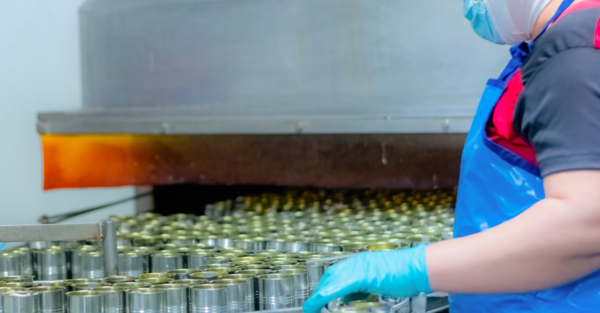
Digitisation in the manufacturing industry: turning complexity into control
Manufacturing has always been complex. There are multiple processes, tight tolerances and no room for error.
Manufacturing has always been complex. There are multiple processes, tight tolerances and no room for error.
The pace of manufacturing has changed however. Lead times have shortened, product variation is on the rise and there's barely any room for waste. Customers expectations have also increased.
That's why digitisation in the manufacturing industry has gone from being a long term ambition to a day to day necessity. Manufacturers are under pressure to keep up with the changes and digitisation is the only way to stay ahead of the game.
Digitisation in the manufacturing industry is all about using digital systems to connect people, processes and data in order to run operations more smoothly, with less manual work and make better decisions faster. This blog looks at what this really means in practice, how it's affecting the shop floor and supply chain, and how solutions like PreBilt (working alongside SAP) can help manufacturers turn their digital strategy into real results.
For medium to large manufacturers, warehouse operators, and supply chain teams that already run SAP or are planning an SAP S/4HANA migration, the pressure is not just to modernise, but to be in control as operations speed up and get more complex. That's why this article focuses on the impact of digitisation, SAP integration, execution-led tools, common data quality problems and practical steps to make digital transformation stick.
What does digital transformation and digitisation in the manufacturing industry actually mean?
Digitisation in manufacturing isn't just about swapping paper for screens.
It's about using digital systems to connect people, processes and data so that work flows smoothly from start to finish. More broadly, this shift is part of digital transformation across manufacturing operations.
In practice, digitisation in the manufacturing industry is all about:
-
Capturing activity as it's happening
-
Reducing the amount of manual intervention required
-
Improving visibility across production and inventory levels
-
Supporting faster, better decision making
-
Optimising energy use and reducing waste in order to make manufacturing more sustainable
At its core, it's about having control without making things more complicated.
Why digitisation matters more than ever in manufacturing
Manufacturers are at the centre of complex supply networks. Raw materials come in, finished goods go out, and problems can quickly spread.
Without digitisation, common challenges can affect a manufacturing business and others across the manufacturing sector, including:
-
Limited visibility of work in progress
-
Inventory inaccuracies
-
Slow response to disruption
-
Heavy reliance on manual checks and siloed knowledge
Digitisation in manufacturing helps replace guesswork with real time insight.
When systems reflect reality, teams can act with confidence rather than reacting after the fact.
From isolated systems to connected supply chain operations
Many manufacturers are already using digital tools. Their ERP systems, MES platforms and planning software are all digital.
The problem is integration. Connecting systems and departments remains a major hurdle, because replacing outdated infrastructure can be a long and time consuming process.
Digitisation in the manufacturing industry is most effective when:
-
Production, warehouse and inventory data are linked up
-
Physical activity is automatically updated in the systems
-
Information flows through digital solutions with stronger integration across systems and departments
This is where SAP provides a strong digital backbone. But even the best core system depends on what happens at the point of execution.
Execution is where digitisation succeeds or fails
Digitisation strategies can look great on paper, but the real test is on the factory floor, where digital tools need to stand up to the rigors of real manufacturing operations.
If operators:
-
Have to navigate complex screens
-
Have to memorise transaction logic
-
Have to work around the system to get the job done
Then digitisation stalls.
True digitisation in the manufacturing industry works when digital tools fit the reality of physical work and support smoother production processes.
That's where execution-focused solutions come into play for operational efficiency.
How PreBilt supports digitisation in the manufacturing industry
This is where PreBilt comes in, fitting naturally into manufacturing digitisation.
PreBilt sits within SAP and focuses on the execution-heavy processes that happen in real time. Goods movements, inventory updates, production supply, material handling. In connected environments, the execution layer can also support visibility into equipment and capture data from production lines.
As part of a digitised manufacturing environment, PreBilt helps by:
-
Turning complex SAP transactions into simple, task-based workflows
-
Supporting mobile and shop-floor users who don't sit at desks
-
Validating actions at the point of work, to prevent errors
-
Capturing accurate data as activity happens
-
Improving adoption without customising the SAP core
Digital manufacturing – it's not just about production
Digital manufacturing and digitisation in the manufacturing industry doesn't stop at production. It runs across the manufacturing value chain:
-
Inbound materials and inventory
-
Production supply and consumption
-
Finished goods
-
Warehouse
Each step gets a lot better, and the company becomes more efficient and productive when all these steps are digitised and connected:
-
Better view of what is happening
-
Respond faster to changes in demand
-
Waste less resources and minimise rework
-
Teams are able to work together better
PreBilt helps by making sure that the execution data that gets fed into SAP is accurate, in real-time and reliable.
The foundation of digitisation is data quality
The promise of digitisation is that you get insights from analysing data, and that means you make better decisions across the business. But all of that depends on the quality of the data. If the data is delayed, its wrong, or its incomplete, then dashboards paint an inaccurate picture and decision making is compromised.
Real digitisation happens when data is collected properly the first time. And that is what PreBilt helps to make happen by guiding users through their tasks and making sure that every single scan and confirmation is accurate.
Good data is a natural result of good execution.
Digitisation that works for the people
One of the biggest risks with manufacturing digitisation is forgetting that it is not just about technology, it's about people too.
Digitisation should reduce peoples workload, so that they can get on with the job rather than having to think about the system.
It is only when you get this right that digitisation really takes off and becomes sustainable.
PreBilt is designed to work with people in this way. Users focus on the job, and the system takes care of the SAP complexity in the background.
Digitisation is a journey, not a destination
Digitisation is not something that you can do once and then forget about. It's a journey. Processes change, products change and volumes shift. The companies that succeed are the ones that treat digitisation as an ongoing, continuous process.
Digitisation is not just about adopting technology, it's about making sure that you are always adapting and improving:
-
Make incremental improvements
-
Get feedback from the people on the shop floor
-
Make sure that technology adapts without causing any disruption
Because PreBilt is configurable rather than hard‑coded, it helps enable continuous improvement while keeping the SAP core clean.
Glossary
Digitisation in the manufacturing industry The use of digital systems to capture, connect and optimise manufacturing processes and data.
Manufacturing digitisation When you apply digital tools to improve your production, inventory and execution processes.
SAP Enterprise software that provides a digital backbone for manufacturing, supply chain and finance.
PreBilt A SAP centric supply chain and manufacturing mobility solution that makes execution and data quality easier.
Shop floor execution The physical activities needed to get a job done, such as producing, moving and handling materials.
Frequently asked questions
Is digitisation just about automation?
No, it's about making things flow better, and supporting people.
Do you have to replace existing systems to digitise?
No, in many cases you can just extend your existing SAP landscape, rather than ripping everything out and starting again.
How does PreBilt help with manufacturing digitisation?
PreBilt makes execution simple, supports workers on the move and feeds good quality data back into SAP.
Is digitisation only for big manufacturers?
Noo, any manufacturer that is dealing with complexity or growth can benefit, right down to very small teams who want to make things more efficient.
The bottom line
Digitisation in the manufacturing industry is not about adding more technology, it's about making work flow better. With SAP and PreBilt working together, digitisation becomes a practical, scalable and realistic option.
Clear processes.
Confident teams.
Manufacturing ready for whatever comes next.